

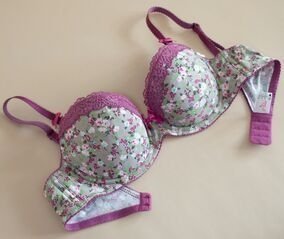
Bras have been part of women's fashion and comfort for decades, yet the debate around wearing them has never been louder. Some claim bras prevent sagging. Others argue that going braless is healthier. And a different group sees bras only as societal pressure or sexualization of the breast.
With all these views, it's no surprise that many women wonder:
Is it actually okay to wear a bra—and what happens if you stop?
This article breaks down the science, dispels the myths, outlines the benefits, and reveals the real consequences so that you can make an informed choice.
Is Wearing a Bra Healthier Than Going Braless?
There is no universal rule that applies to everyone. The breast is made up of glandular tissue supported by Cooper's ligaments, which attach it to the chest wall. Gravity constantly pulls on these ligaments, and the larger the breast, the stronger the pull.
Why Bras Exist
Bras primarily provide:
- Support for Cooper's ligaments
- Comfort during movement
- Even weight distribution for large breasts
- A smoother look under clothing
While going braless occasionally is harmless, long-term lack of breast support may worsen sagging, especially in women with larger breasts. However, the claim that bras prevent sagging is also debated due to inconsistent research.
The Study Many People Reference
A past study suggested that not wearing bras could improve perkiness. But the study:
- Was not peer-reviewed
- had major methodological flaws
- cannot be considered scientific evidence
So, there is no definitive proof that bras prevent or worsen sagging.
If You Want to Start Going Braless;
Make it gradual:
- Begin with supportive tank tops.
- Move to fitted tops without built-in support.
- Finally, transition to entirely loose tops.
If you've worn bras since the 90s or earlier, going braless suddenly may feel uncomfortable and unnatural.
Health Benefits of Wearing a Bra
You may choose to wear a bra for comfort, not necessarily for "health reasons." But bras do have science-backed benefits:
1. Reduces strain on Cooper's ligaments
Slow down sagging in people with larger breasts.
2. Prevents shoulder, back, and neck pain
Large breasts can pull the chest wall forward, causing:
- muscle tension
- poor posture
- upper back strain A well-fitted bra distributes weight evenly and relieves discomfort.
3. Improves posture
Supportive bras help prevent the "hunched back" often seen in women with heavy breasts.
4. Reduces breast pain during exercise
Sports bras minimize bouncing, which:
- prevents pain
- prevents embarrassment
- increases comfort during workouts
5. Prevents skin irritation
Without support, breasts may:
- Rub against each other
- trap sweat
- Irritate the skin beneath.
Those prone to contact dermatitis, fungal infections, or mastitis benefit from supportive bras.
6. Offers a more professional look
In many workplaces, visible nipples may be considered inappropriate. Bras conceal the nipples and help achieve a neat appearance.
7. Useful for breastfeeding mothers
Maternity bras provide comfort and support, especially during breast engorgement.
Science-Backed Benefits of Going Braless
Beyond aesthetics, going braless has potential health advantages:
1. Improved blood circulation
Tight or ill-fitting bras compress the chest and may restrict blood flow.
2. Stronger chest-wall muscles
If bras provide constant support, the muscles do less work. Going braless allows the chest muscles to strengthen over time—similar to exercising any other muscle group.
3. No pinching, tightness, or discomfort
Many bras—especially underwired ones—irritate. Going braless eliminates this.
4. Reduced risk of moisture-related infections
Bras that trap moisture increase the risk of mastitis. Going braless keeps the area ventilated.
5. A more natural body image
Not altering the breast shape encourages confidence and a realistic self-image.
Is It Bad to Sleep in a Bra?
A common myth claims that sleeping in a bra:
❌ causes breast cancer
❌ blocks lymphatic drainage
❌ affects hormones
These are false.
Current evidence shows no harm in sleeping with a bra, as long as the bra is:
- non-restrictive
- breathable
- not too tight
People who prefer sleeping braless can continue doing so. Those who feel more comfortable with support at night can safely wear a soft, non-wired bra safely.
Sleep problems are more often linked to:
- screen time
- caffeine
- stress
- room lighting —not bras.
Benefits of Not Wearing a Bra
Here are the commonly reported benefits:
- Enhanced comfort
- Better circulation
- Improved self-image
- Stronger chest muscles
- Reduced risk of breast pain
- Natural breast shape
- Improved posture (when wearing tight bras was previously an issue)
- Reduced skin irritation from bra straps or wires
Side Effects of Not Wearing a Bra
The impact varies depending on breast size, age, and activity level.
Possible downsides include:
- Breast discomfort during exercise, especially for larger busts
- Unprofessional appearance in formal settings
- More noticeable nipple projection, which may draw unwanted attention
- Accelerated sagging in women with large breasts over time
- Chafing from breast-to-breast or breast-to-chest contact
Going braless isn't harmful, but it may be uncomfortable or impractical for some individuals.
Frequently Asked Questions
1. Is it necessary to wear a bra at home?
Not at all.
Wear one if you want comfort or support. If you prefer being braless, that's also fine. Comfort should guide you—not social expectations.
2. Does wearing a bra prevent breast sagging?
Sagging is influenced by:
- genetics
- aging
- breast size
- pregnancy and breastfeeding
- weight fluctuations
Bras may delay sagging for large breasts, but they do not stop sagging permanently.
3. Is it bad to wear a bra 24/7?
If the bra is:
- comfortable
- clean
- not too tight
- not causing pain
It is safe to wear it all day. Change bras regularly for hygiene and proper fit.
Bottom Line
Wearing a bra is absolutely okay—and so is going braless.
There is no universal rule; your comfort should guide your choice. Both options have benefits and potential downsides.
However, going braless long-term may cause discomfort or sagging in women with larger breasts, while wearing tight or ill-fitted bras can lead to skin irritation and poor posture.
The healthiest option is simple:
👉 Choose what feels best for your body, your lifestyle, and your comfort.