

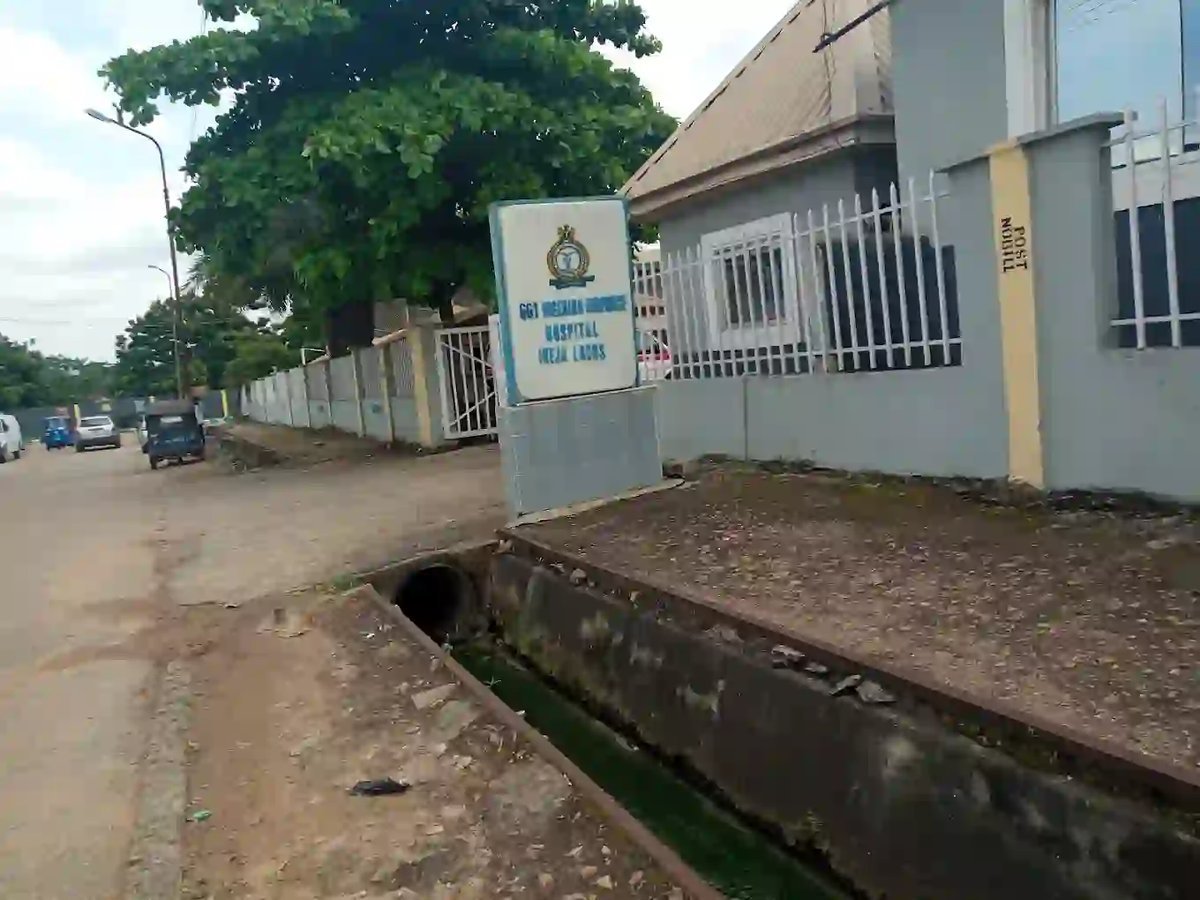
Housemanship at 661 NAF Hospital: A Learning Experience Worth Considering
When discussing housemanship placements in Nigeria, military hospitals are often misunderstood. Many prospective house officers assume that military institutions are overly strict, rigid, or difficult working environments. However, my experience at 661 NAF Hospital proved otherwise.
A Supportive Learning Environment
One of the greatest strengths of 661 NAF Hospital is its commitment to teaching and mentorship. While military personnel are disciplined and expect professionalism, the environment is far from toxic. There is a clear culture of accountability, but also a genuine willingness to teach and support young doctors.
A major advantage is the direct access house officers have to consultants. Unlike many centres where multiple layers of hierarchy can create barriers to learning, consultants here are actively involved in clinical teaching and supervision. This direct interaction significantly enhances the learning experience.
Early Clinical Exposure and Hands-On Training
The hospital has relatively few resident doctors, and some units operate without registrars. As a result, house officers are exposed to a greater level of responsibility and hands-on clinical practice than they might experience elsewhere.
Our rotations are structured to include General Outpatient Department (GOPD) calls between departmental postings. During these calls, house officers independently assess patients, formulate management plans, and gain practical clinical experience, all under appropriate supervision.
Initially, this level of responsibility can be intimidating. Fresh out of medical school, many of us were still developing confidence in diagnosis, treatment planning, and drug prescribing. Fortunately, experienced Medical Officers (MOs) were always available to provide guidance. Within a few weeks, what initially felt overwhelming became a valuable confidence-building experience.
House officers are also actively involved in surgical procedures, assisting in theatre and gaining exposure to perioperative patient management.
Continuous Skills Development
Beyond routine clinical duties, the hospital invests in practical medical training. House officers participate in sessions covering essential emergency and life-support skills, including:
- Advanced Life Support (ALS)
- Airway management
- Intubation practice
- Emergency response techniques
These trainings provide practical competencies that are invaluable in both hospital and emergency settings.
Clinical Meetings and Presentations
One of the most impactful learning opportunities comes through the weekly clinical meetings.
House officers are regularly assigned clinical topics and case presentations. These presentations are critically reviewed by senior colleagues and consultants, who provide constructive feedback aimed at improving clinical reasoning, presentation skills, and evidence-based management.
Like many trainees, most of us struggled during our first presentations. However, by the second or third presentation, significant improvements became evident. The process fosters confidence, critical thinking, and professional growth.
Ground Rounds: The Hospital's Signature Teaching Session
Perhaps the most unique educational activity at 661 NAF Hospital is the Ground Round.
Held every Monday and Friday, the Monday session is particularly comprehensive. Healthcare professionals from across the hospital—including doctors, nurses, laboratory scientists, pharmacists, and physiotherapists—participate in a multidisciplinary ward round covering virtually every admitted patient, beginning from the Accident and Emergency Unit.
These rounds are highly interactive and educational. Participants are routinely questioned on patient management, investigations, differential diagnoses, and treatment plans. While the sessions can be intense, they create an exceptional learning environment.
Many house officers would agree that a significant portion of their clinical knowledge and practical experience was acquired during these teaching rounds.
Workload and Challenges
Housemanship at 661 NAF Hospital is not without its challenges.
The workload can be demanding, particularly because of the relatively small workforce and the institution's strong culture of responsibility. There is little tolerance for complacency, and house officers are expected to actively participate in patient care.
Nevertheless, despite the demanding nature of the work, many house officers find the experience rewarding because of the amount of clinical exposure and learning opportunities available.
Serving Both Military and Civilian Patients
Another common misconception is that military hospitals serve only military personnel.
In reality, 661 NAF Hospital is located within the Air Force Base but remains accessible to civilians. House officers manage a diverse patient population, including military personnel, their dependents, and civilian patients from the surrounding community. This diversity broadens clinical exposure and enriches the training experience.
Salary and Welfare
Salary administration falls under the Ministry of Defence rather than the hospital management itself. Historically, remuneration has undergone several revisions. During our tenure, house officer salaries increased from approximately ₦170,000 to ₦256,000 after sustained advocacy and administrative efforts.
As with many federal institutions, salary adjustments are determined at higher administrative levels beyond the hospital's control.
A Unique Advantage: Security
One often-overlooked benefit of working in a military hospital is the enhanced sense of security.
Incidents involving aggression from patients' relatives—an unfortunate reality in some healthcare settings—are extremely rare. Established protocols and the military environment provide an added layer of protection for healthcare workers.
While interactions with entitled military personnel or their dependents may occasionally present challenges, there are clear channels for escalation and support through the hospital's hierarchy.
By Doclumina